
C-Sharp.Net
Programming with C Sharp C Sharp training curriculum follows the Microsoft Programming C Sharp 70-483 is designed to meet the requirements of next...


Enrolled
981
Investment
18,000
Course Overview
Everything you need to know about this comprehensive Meta marketing course
Programming with C Sharp
C Sharp training curriculum follows the Microsoft Programming C Sharp 70-483 is designed to meet the requirements of next generation programming needs.
Manage program flow (25%)
Implement multithreading and asynchronous processing
- Use the Task Parallel library (ParallelFor, Plinq, Tasks); create continuation tasks; spawn threads by using ThreadPool; unblock the UI; use async and await keywords; manage data by using concurrent collections
Manage multithreading
- Synchronize resources; implement locking; cancel a long-running task; implement thread-safe methods to handle race conditions
Implement program flow
- Iterate across collection and array items; program decisions by using switch statements, if/then, and operators; evaluate expressions
Create and implement events and callbacks
- Create event handlers; subscribe to and unsubscribe from events; use built-in delegate types to create events; create delegates; lambda expressions; anonymous methods
Implement exception handling
- Handle exception types (SQL exceptions, network exceptions, communication exceptions, network timeout exceptions); catch typed vs. base exceptions; implement try-catch-finally blocks; throw exceptions; determine when to rethrow vs. throw; create custom exceptions
Create and use types (24%)
Create types
- Create value types (structs, enum), reference types, generic types, constructors, static variables, methods, classes, extension methods, optional and named parameters, and indexed properties; create overloaded and overriden methods
Consume types
- Box or unbox to convert between value types; cast types; convert types; handle dynamic types; ensure interoperability with unmanaged code, for example, dynamic keyword
Enforce encapsulation
- Enforce encapsulation by using properties, by using accessors (public, private, protected), and by using explicit interface implementation
Create and implement a class hierarchy
- Design and implement an interface; inherit from a base class; create and implement classes based on the IComparable, IEnumerable, IDisposable, and IUnknown interfaces
Find, execute, and create types at runtime by using reflection
- Create and apply attributes; read attributes; generate code at runtime by using CodeDom and lambda expressions; use types from the System.Reflection namespace (Assembly, PropertyInfo, MethodInfo, Type)
Manage the object life cycle
- Manage unmanaged resources; implement IDisposable, including interaction with finalization; manage IDisposable by using the Using statement; manage finalization and garbage collection
Manipulate strings
- Manipulate strings by using the StringBuilder, StringWriter, and StringReader classes; search strings; enumerate string methods; format strings
Debug applications and implement security (25%)
Validate application input
- Validate JSON data; data collection types; manage data integrity; evaluate a regular expression to validate the input format; use built-in functions to validate data type and content out of scope: writing regular expressions
Perform symmetric and asymmetric encryption
- Choose an appropriate encryption algorithm; manage and create certificates; implement key management; implement the System.Security namespace; hashing data; encrypt streams
Manage assemblies
- Version assemblies; sign assemblies using strong names; implement side-by-side hosting; put an assembly in the global assembly cache; create a WinMD assembly
Debug an application
- Create and manage compiler directives; choose an appropriate build type; manage programming database files and symbols
Implement diagnostics in an application
- Implement logging and tracing; profiling applications; create and monitor performance counters; write to the event log
Implement data access (26%)
Perform I/O operations
- Read and write files and streams; read and write from the network by using classes in the System.Net namespace; implement asynchronous I/O operations
Consume data
- Retrieve data from a database; update data in a database; consume JSON and XML data; retrieve data by using web services
Query and manipulate data and objects by using LINQ
- Query data by using operators (projection, join, group, take, skip, aggregate); create method-based LINQ queries; query data by using query comprehension syntax; select data by using anonymous types; force execution of a query; read, filter, create, and modify data structures by using LINQ to XML
Serialize and deserialize data
- Serialize and deserialize data by using binary serialization, custom serialization, XML Serializer, JSON Serializer, and Data Contract Serializer
Store data in and retrieve data from collections
- Store and retrieve data by using dictionaries, arrays, lists, sets, and queues; choose a collection type; initialize a collection; add and remove items from a collection; use typed vs. non-typed collections; implement custom collections; implement collection interfaces
Store data in and retrieve data from collections
- Store and retrieve data by using dictionaries, arrays, lists, sets, and queues; choose a collection type; initialize a collection; add and remove items from a collection; use typed vs. non-typed collections; implement custom collections; implement collection interfaces
Introduction to WPF (additional)
- Setting visual component property values
- Handling visual component events
- Challenge: Creating a visual calculator in Windows Presentation Foundation (WPF)
Practical Approach
- Practical examples will be given for design, analysis, implementation and maintenance.
What you will learn
- ✔ Develop a strong understanding of core concepts and best practices
- ✔ Apply theoretical knowledge to real-world projects
- ✔ Build practical skills through hands-on exercises
- ✔ Improve problem-solving and critical-thinking abilities
- ✔ Learn to plan, execute, and optimize projects effectively
- ✔ Communicate ideas and strategies clearly and professionally
- ✔ Use industry-standard tools and techniques confidently
- ✔ Manage time and resources efficiently to meet deadlines
- ✔ Work collaboratively and adapt to team environments
- ✔ Analyze performance and implement data-driven improvements
- ✔ Gain confidence to apply your learning in a professional setting
- ✔ Prepare for advanced learning or career opportunities in the field
Reviews
No reviews yet. Be the first to review this course!
You must be logged in to submit a review.
Login to ReviewBook Online
Frequently Asked Questions
Find quick solutions to common queries and get the most out of your learning experience
View More QuestionsRelated Courses
Courses that help building your career
Generative AIs
Generative AI This is career-oriented training for you, after completion ...
Prompt Engineering
Prompt Engineering Duration: 4 Weeks Level: Beginner → Intermediate Fo...
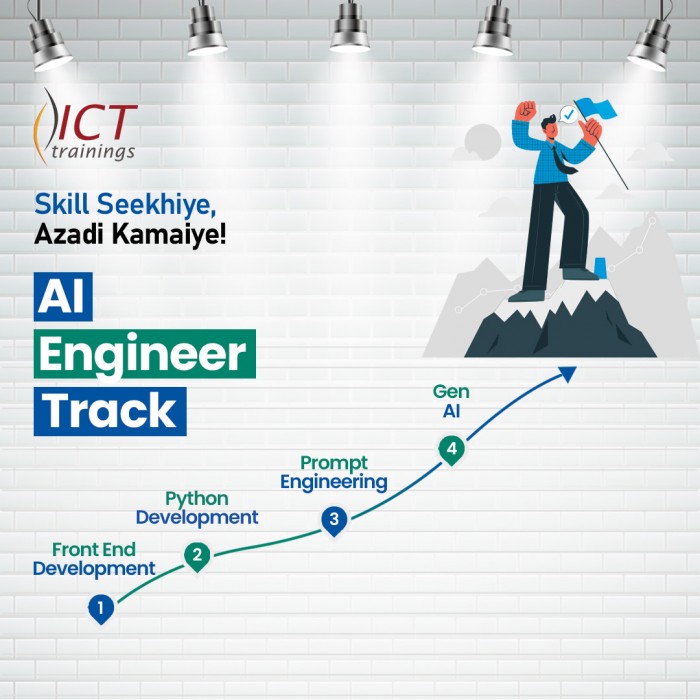
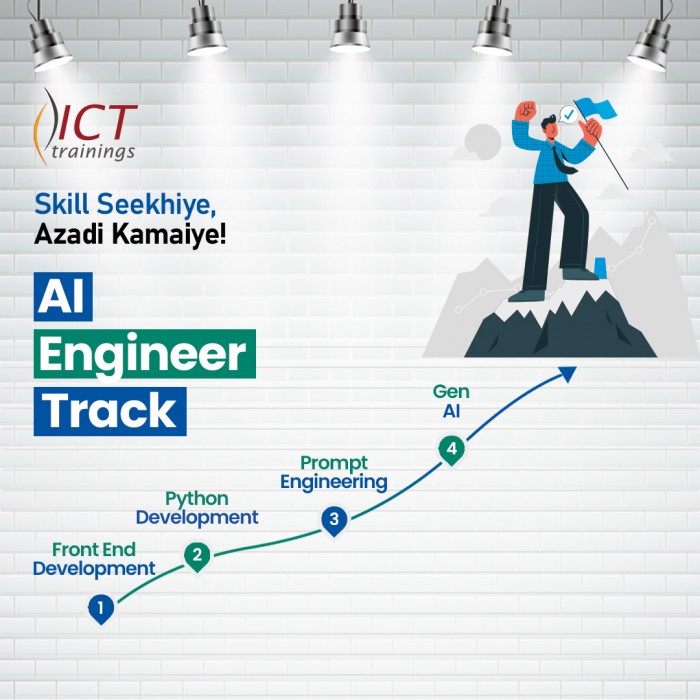
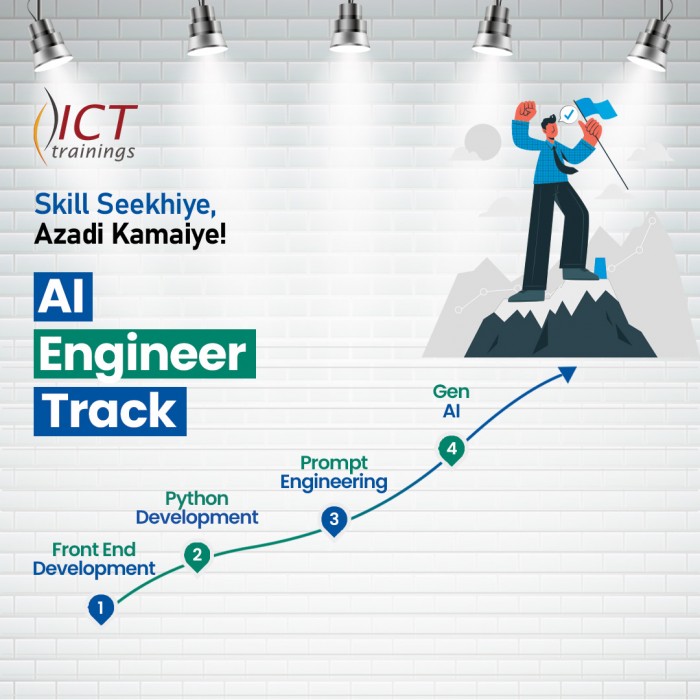
AI Engineer track
AI Engineer Track It's a complete roadmap for anyone who want to start earning...

Build Android Apps with AI
Getting Started with Android App Development Introduction to Android apps and Androi...
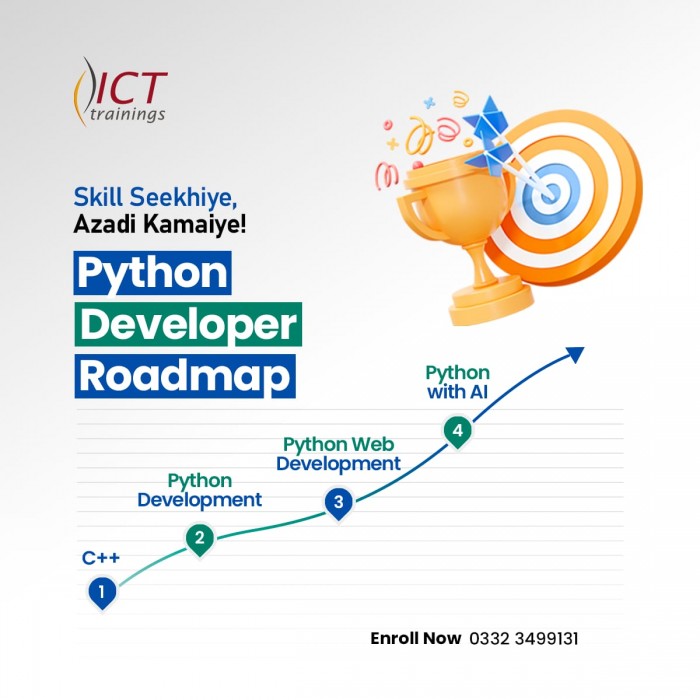
Python Developer Track
Python Developer Track It's a complete roadmap for anyone who want to sta...

Digital Marketer Track
Digital Marketer Track It's a complete roadmap for anyone who want to start ea...